PROMOTIONAL OFFER EXPIRES SOON
LASER RESURFACING SPECIAL
EXCLUSIVE INTRODUCTORY PRICING
FIRST 50 CUSTOMERS ONLY
SPOTS ARE LIMITED ACT FAST
PROMOTIONAL OFFER EXPIRES SOON
LASER RESURFACING SPECIAL
EXCLUSIVE INTRODUCTORY PRICING
FIRST 50 CUSTOMERS ONLY
SPOTS ARE LIMITED ACT FAST
ABOUT
HAUS OF CONFIDENCE
ABOUT
HAUS OF CONFIDENCE
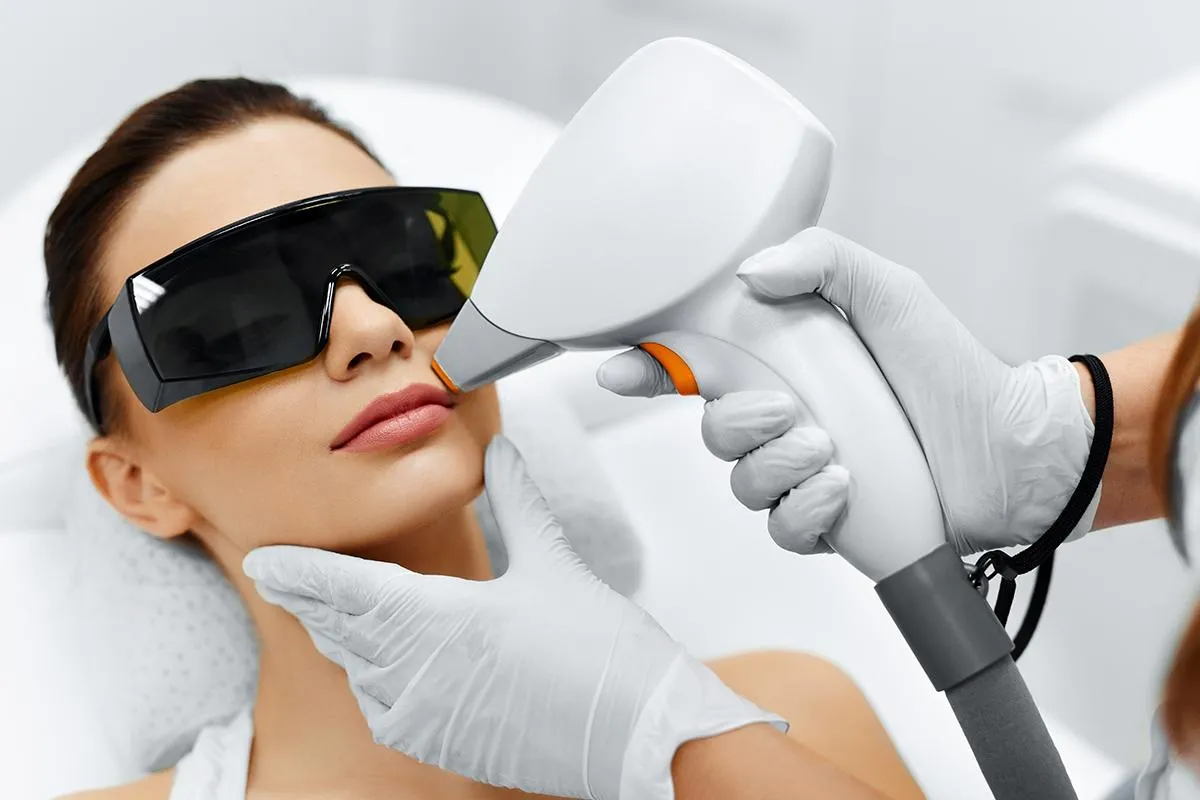
Unveil Your Smoothest Skin
Embrace the Perfection of Laser RESURFACING!
Long-Lasting Results
Precision and Accuracy
Helps With Fine Lines, and Wrinkles
Skin Enhancement
Less Discomfort
Suitable for Various Skin Types
BEFORE & AFTERS
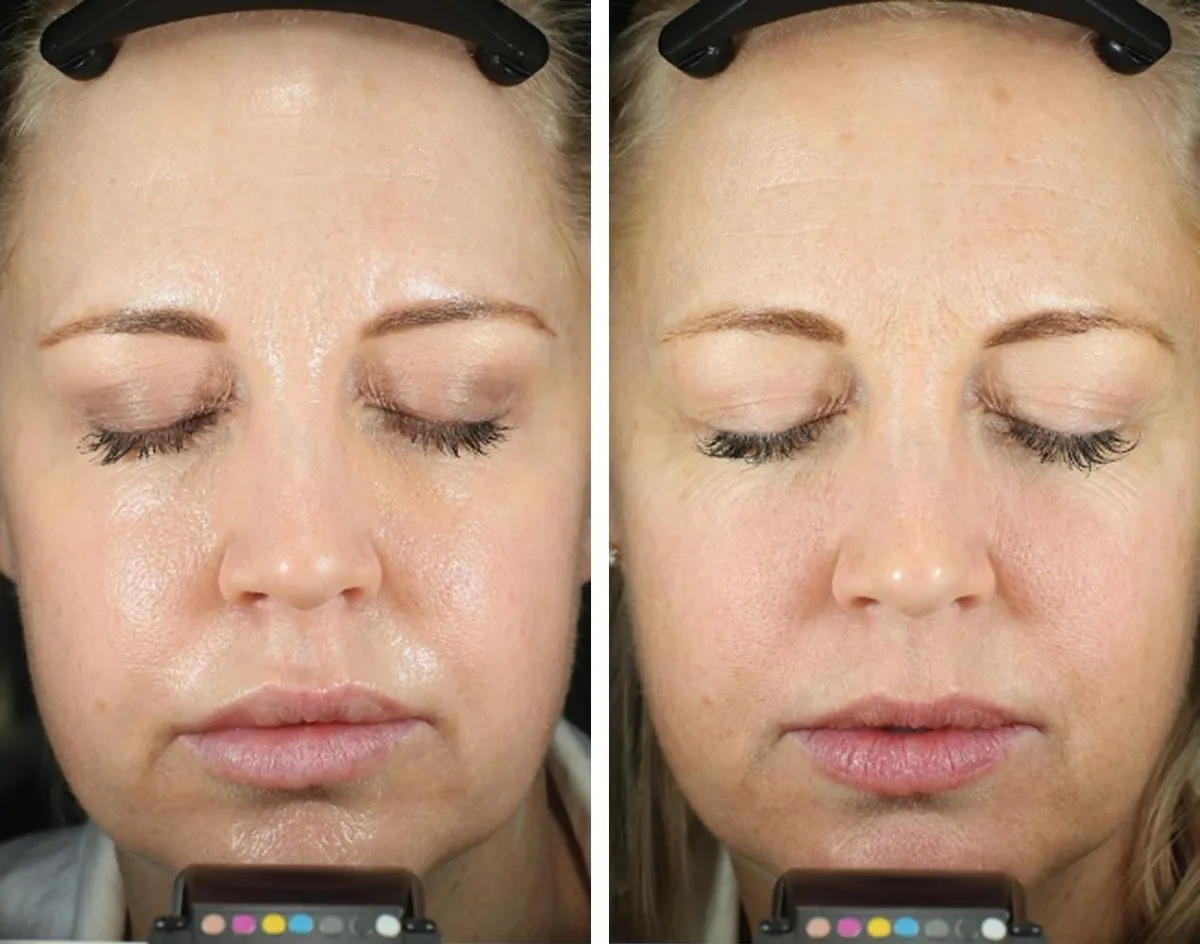
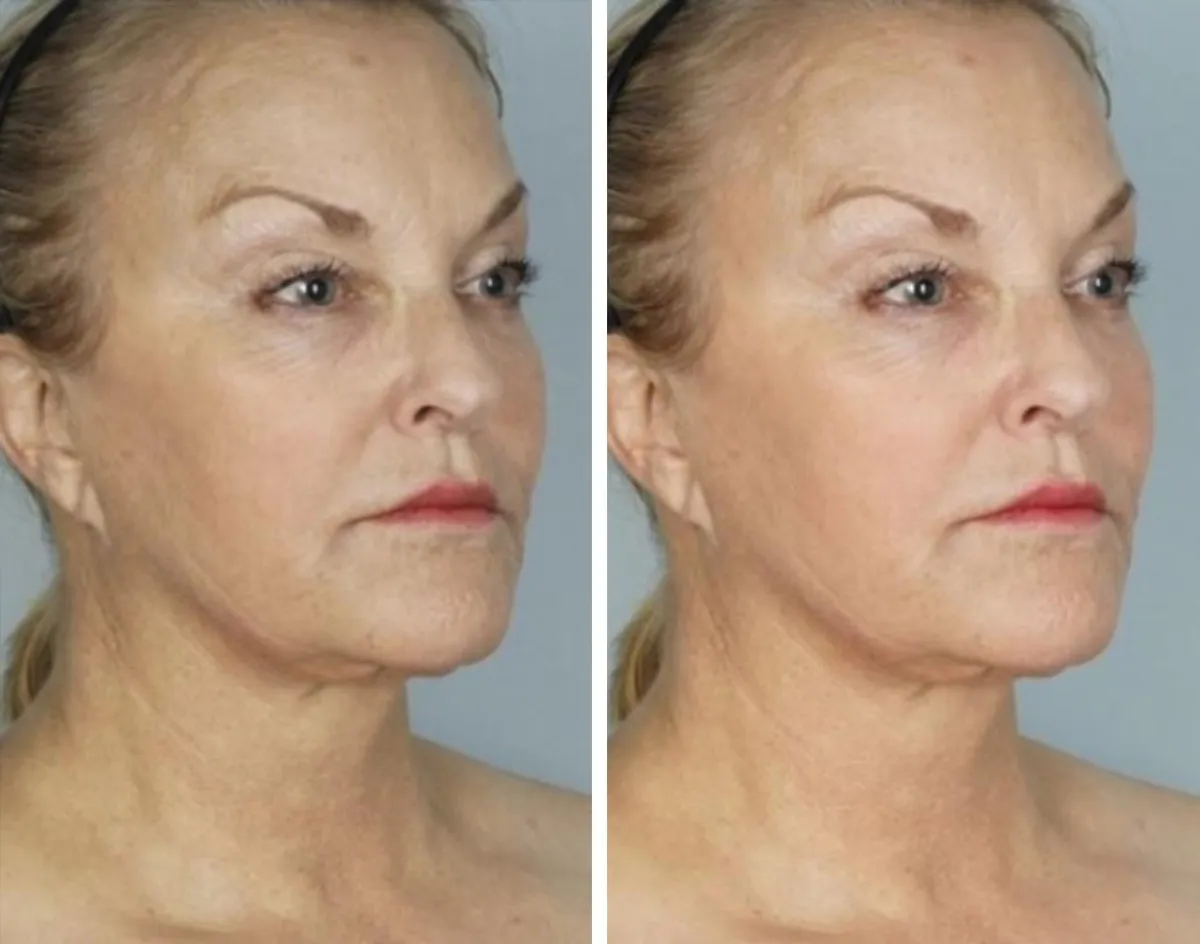
Unveil Your Smoothest Skin
Embrace the Perfection of Laser RESURFACING!
Long-Lasting Results
Precision and Accuracy
Helps With Fine Lines, and Wrinkles
Skin Enhancement
Less Discomfort
Suitable for Various Skin Types
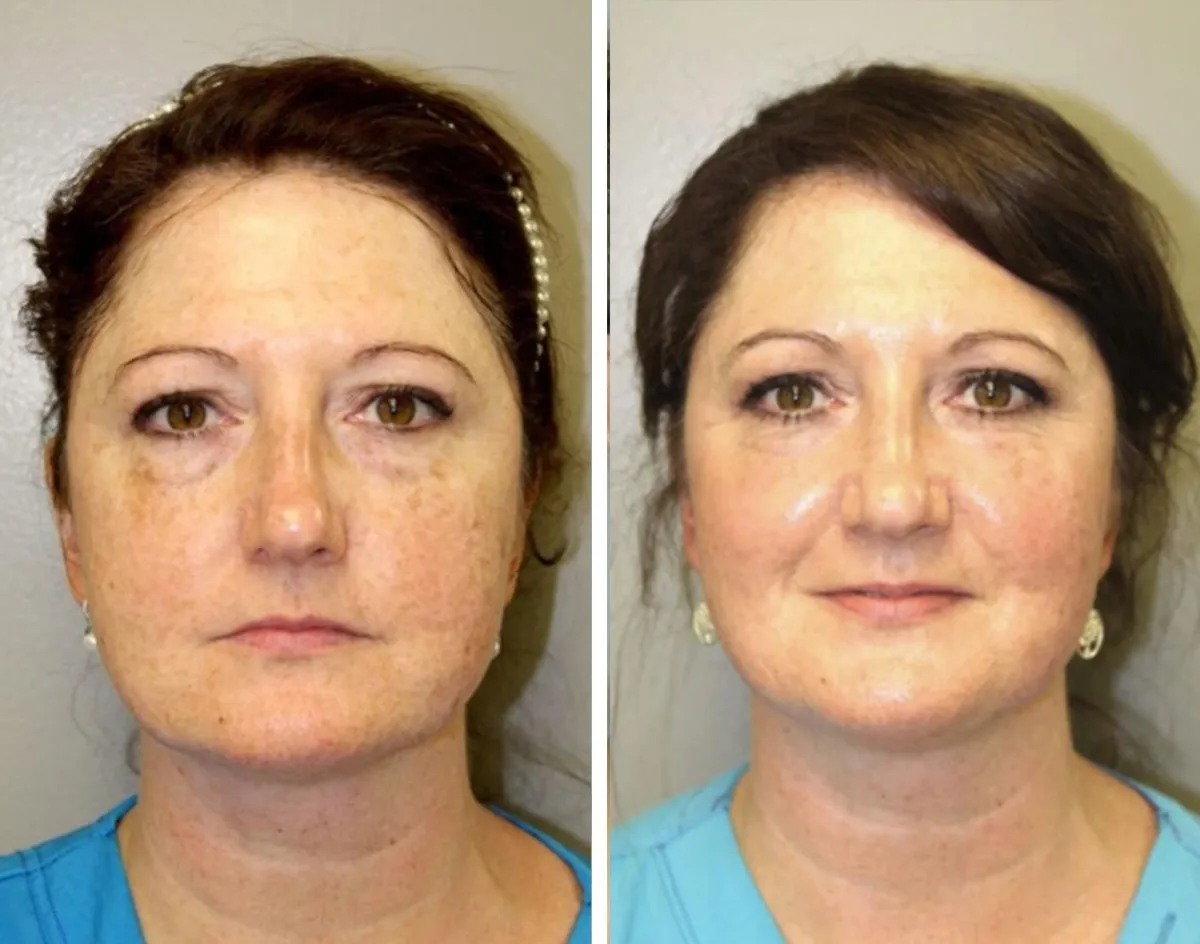
BEFORE & AFTERS
Your Laser RESURFACING Questions Answered
Clearing the Air on FAQs
What is laser resurfacing, and how does it work?
Laser resurfacing is a cosmetic procedure that uses focused laser energy to improve the appearance of the skin. It works by precisely removing the outer layers of damaged skin, stimulating collagen production, and promoting skin regeneration. This helps to reduce wrinkles, fine lines, scars, and other skin imperfections.
What skin concerns can laser resurfacing address?
Laser resurfacing is commonly used to address a range of skin concerns, including wrinkles, fine lines, acne scars, sun damage, age spots, uneven skin tone, and texture irregularities. It can also help improve the appearance of scars from surgeries or injuries, as well as certain types of birthmarks.
What are the different types of laser resurfacing techniques?
There are two main types of laser resurfacing techniques: ablative and non-ablative. Ablative lasers remove thin layers of skin, creating controlled wounds that stimulate collagen production. These lasers are more invasive but can achieve more dramatic results. Non-ablative lasers, on the other hand, work by heating the underlying skin layers without damaging the surface. These lasers have shorter downtime but may require multiple sessions for optimal results.
What is the recovery process like after laser resurfacing?
The recovery process after laser resurfacing can vary depending on the depth and intensity of the treatment. Ablative laser treatments generally have a longer recovery period, often requiring a week or more for the skin to heal. During this time, the treated skin may be red, swollen, and sensitive. Non-ablative treatments typically have shorter downtime, with mild redness and swelling that usually subsides within a few days. It's essential to follow post-treatment instructions, including proper skincare and sun protection, to aid the healing process.
Who is a suitable candidate for laser resurfacing?
Ideal candidates for laser resurfacing are individuals with fair to medium skin tones who have specific skin concerns they want to address. Those with darker skin tones might be at a higher risk of pigmentation changes or scarring from the procedure. Good candidates are generally in good overall health and have realistic expectations about the results. A consultation with a qualified dermatologist or cosmetic surgeon is essential to determine if laser resurfacing is suitable for an individual's skin type and concerns.
Your Laser RESURFACING
Questions Answered
What is laser resurfacing, and how does it work?
Laser resurfacing is a cosmetic procedure that uses focused laser energy to improve the appearance of the skin. It works by precisely removing the outer layers of damaged skin, stimulating collagen production, and promoting skin regeneration. This helps to reduce wrinkles, fine lines, scars, and other skin imperfections.
What skin concerns can laser resurfacing address?
Laser resurfacing is commonly used to address a range of skin concerns, including wrinkles, fine lines, acne scars, sun damage, age spots, uneven skin tone, and texture irregularities. It can also help improve the appearance of scars from surgeries or injuries, as well as certain types of birthmarks.
What are the different types of laser resurfacing techniques?
There are two main types of laser resurfacing techniques: ablative and non-ablative. Ablative lasers remove thin layers of skin, creating controlled wounds that stimulate collagen production. These lasers are more invasive but can achieve more dramatic results. Non-ablative lasers, on the other hand, work by heating the underlying skin layers without damaging the surface. These lasers have shorter downtime but may require multiple sessions for optimal results.
What is the recovery process like after laser resurfacing?
The recovery process after laser resurfacing can vary depending on the depth and intensity of the treatment. Ablative laser treatments generally have a longer recovery period, often requiring a week or more for the skin to heal. During this time, the treated skin may be red, swollen, and sensitive. Non-ablative treatments typically have shorter downtime, with mild redness and swelling that usually subsides within a few days. It's essential to follow post-treatment instructions, including proper skincare and sun protection, to aid the healing process.
Who is a suitable candidate for laser resurfacing?
Ideal candidates for laser resurfacing are individuals with fair to medium skin tones who have specific skin concerns they want to address. Those with darker skin tones might be at a higher risk of pigmentation changes or scarring from the procedure. Good candidates are generally in good overall health and have realistic expectations about the results. A consultation with a qualified dermatologist or cosmetic surgeon is essential to determine if laser resurfacing is suitable for an individual's skin type and concerns.
LOCATED IN SCOTTSDALE ARIZONA
LOCATED IN SCOTTSDALE ARIZONA
Disclaimer
Haus Of Confidence doesn’t promise a specific outcome or the results you may achieve. The helpline is free to call but the services or programs that you pursue may have costs associated with them. TCPA DISCLOSURE: By clicking the “CALL” or “SUBMIT” button anywhere on this website, you consent to receive recurring auto dialed and/ or pre-recorded telemarketing calls and or text messages from Haus Of Confidence in order to discuss options at the telephone number you provided or called from. You understand that you may receive a call even if my telephone number is listed on a Do Not Call list and that your consent is not a requirement of purchase. You understand that your telephone company may impose charges for this contact and that you can revoke this consent at any time. For SMS campaigns: Text STOP to cancel and HELP for help. Msg and data rates may apply. Recurring msgs up to 10 msgs per month. Our goal is to provide exceptional service. One of our agents may reach out to you to discuss your order, ask for feedback, and/or see if you need any assistance with your products, services, or plans, at the phone number you provided regardless of your do-not-call list status. You may opt-out of further contact at any time by simply telling our customer service team that you would no longer like to be contacted. In the event that our team is unable to reach you by phone, they may send you a text message letting you know that we called. Both our text messages and phone calls may be sent or connected utilizing automated software. Carrier charges may apply. You may opt-out of any future contact via text message by replying anytime with “STOP”.